Empowering Sustainable Engineering
About the Project: Shaping Tomorrow's Green Engineers
Climate action and sustainable development are no longer optional; engineering education must evolve. This project unites Østfold University of Applied Sciences with partner institutions across the globe to develop and implement cutting-edge pedagogical approaches, conduct impactful research, and share knowledge that places sustainability at the heart of engineering curricula.
Our mission is clear: to empower engineering students with the knowledge, skills, and mindset needed to design solutions that balance technological innovation with environmental responsibility. By fostering critical thinking, creative problem solving, and evidence-based practices, we are cultivating engineers who do not just understand sustainability, they champion it.
What Makes Us Different
- Interdisciplinary Innovation
We break down traditional silos by integrating sustainability principles across multiple engineering disciplines, helping students see the bigger picture and understand how their work impacts interconnected systems.
- Active Learning Environments
Gone are the days of passive lectures. Our project emphasizes hands on experiences, real world case studies, and collaborative projects that challenge students to apply sustainable engineering principles to authentic problems.
- Research Driven Excellence
Our work is grounded in rigorous research that explores effective pedagogical strategies, sustainability competencies, and the evolving needs of the engineering profession. We continuously investigate what works, why it works, and how to scale successful approaches.
- Knowledge Sharing and Publications
We believe in open collaboration and the power of shared learning. Through academic publications, conferences, workshops, and digital platforms, we disseminate our findings to the broader academic community, ensuring our insights benefit engineering education worldwide.
- International Collaboration
Through partnerships with universities across Europe, students and researchers gain diverse perspectives on sustainability challenges and solutions, preparing them for careers in an increasingly globalized engineering landscape.
- Future Ready Competencies
Beyond technical skills, we focus on developing the soft skills and ethical frameworks essential for leading sustainable transformation in industry and society.
Our Impact
The project is already making waves in engineering education and research. By piloting new collaboration modules including digital, conducting innovative research studies, and publishing our findings, we are gathering valuable insights into what works best for engaging students with sustainability concepts. Our knowledge is being shared across the partner network and beyond, multiplying the impact far beyond individual classrooms.
Students participating in the program report increased motivation and a deeper understanding of their role in creating a sustainable future. Faculty members are discovering innovative ways to make complex sustainability topics accessible and engaging, while contributing to the growing body of research on sustainable engineering education.
Our publications and presentations at international conferences are helping shape the conversation about how engineering education must evolve to meet the challenges of the 21st century.
Join the Movement
Whether you are an educator looking to transform your teaching, a researcher interested in sustainable engineering education, a student passionate about making a difference, or an industry partner seeking to collaborate, there is a place for you in this initiative. Together, we are not just educating engineers, we are empowering change makers who will design the sustainable world we need.
For more information about partnership opportunities, research collaboration, or project outcomes, contact the project team at Østfold University of Applied Sciences.
This work is funded through KA171 Erasmus+ Global programme (grant number 2025-1-NO01-KA171-HED-000336766) from the Norwegian Directorate for Higher Education and Skills (HKdir), led by Dr. Palanichamy Manikandan (Østfold University of Applied Sciences, Norway), supporting collaboration between Norway and Taiwan. We gratefully acknowledge the European Union for funding the Erasmus+ Global programme.
Key Information at a Glance
Project Duration: 2025-2028
Lead Institution: Østfold University of Applied Sciences, Norway
Partner Institutions: National Chung Cheng University, Taiwan
Focus Areas: Sustainable engineering education, research and innovation, knowledge dissemination, pedagogical development
Contact: manikandan.palanichamy@hiof.no, rebecca.norvang@hiof.no
Join us in shaping the future of engineering education through international collaboration, innovative teaching methodologies, and cross-cultural academic excellence between Norway and Taiwan.
Ready to be part of our RESET research group? Contact us to explore participation opportunities in this groundbreaking research and educational partnership.
Completed Activities:
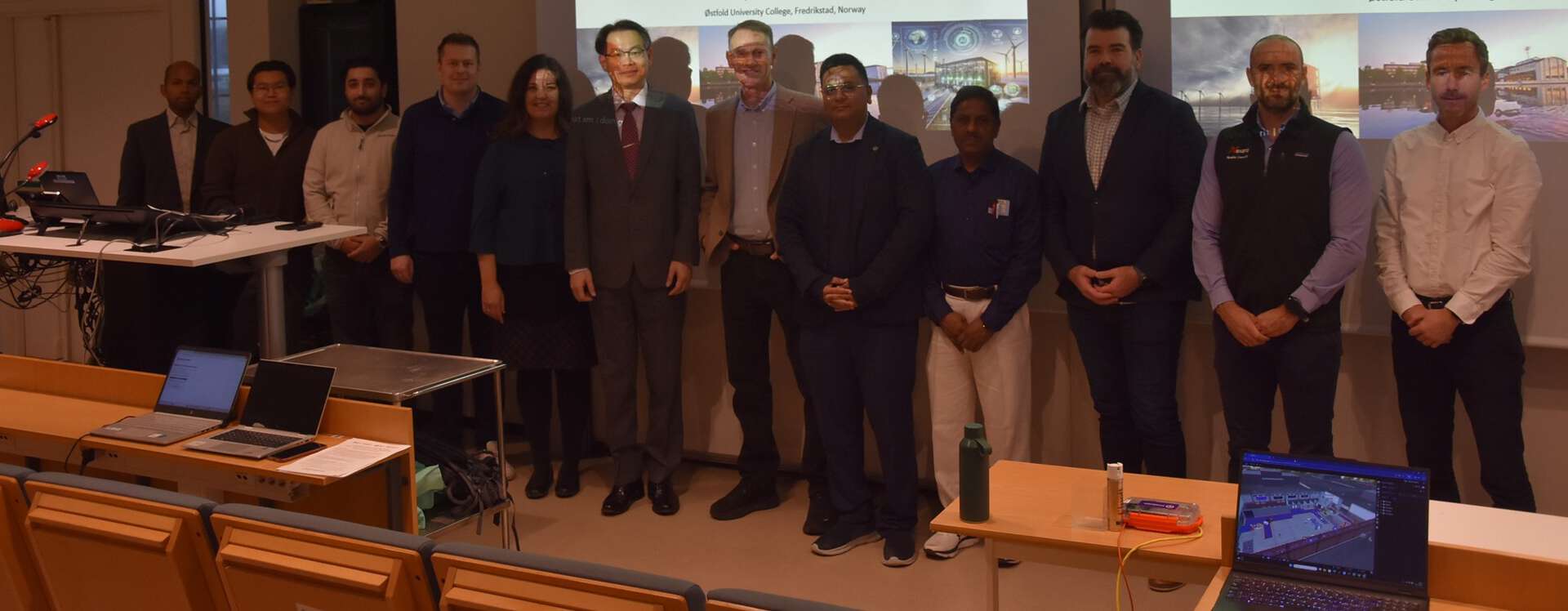
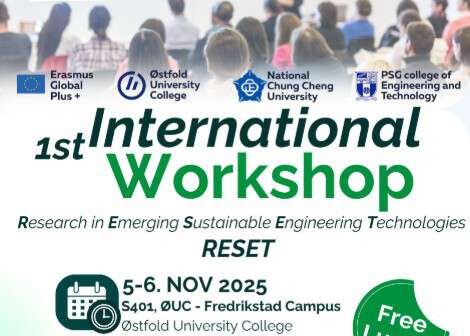
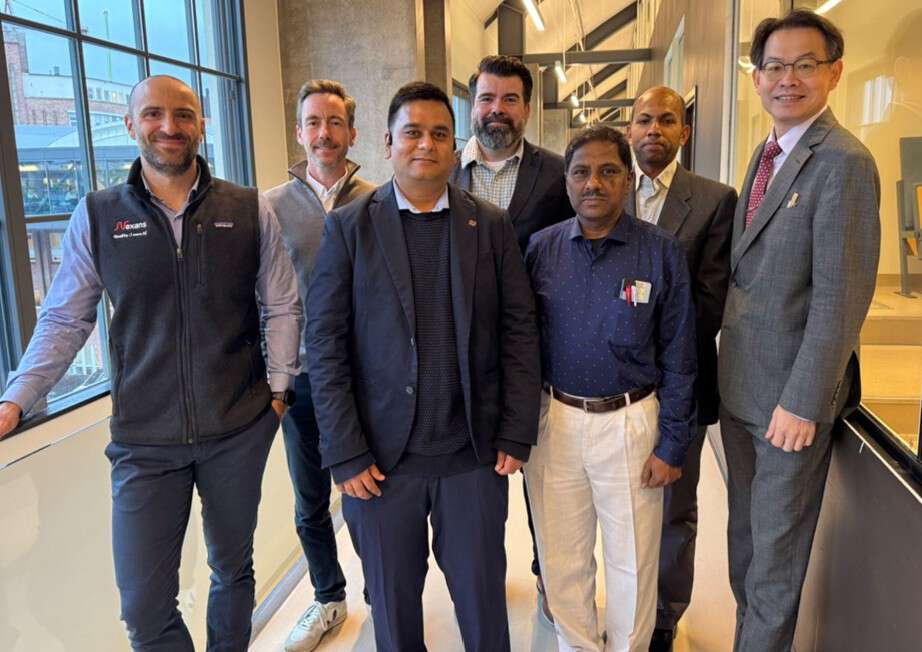
RESET Workshop 2025:
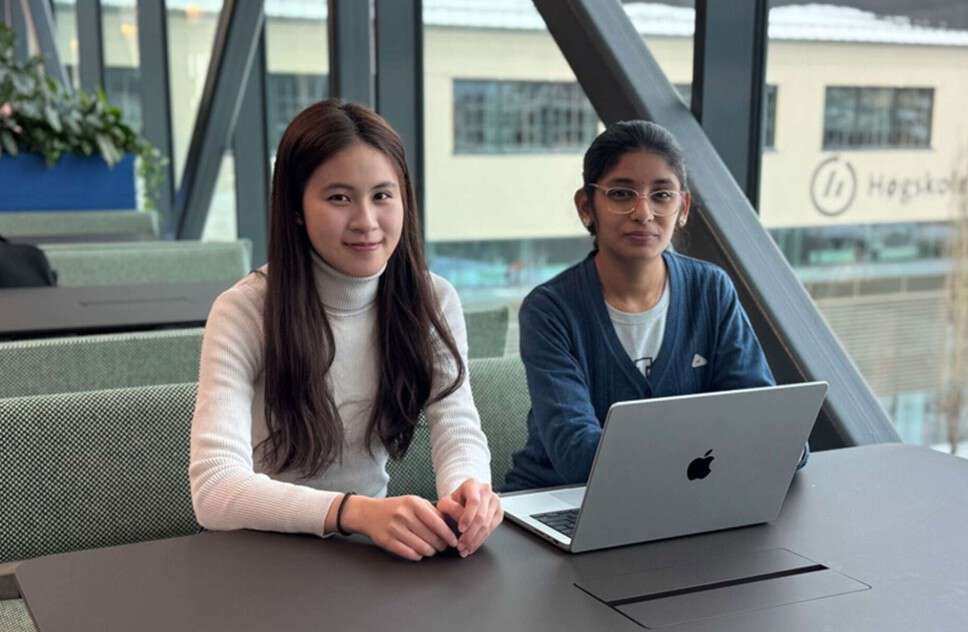
Forskere og industri fra tre kontinenter samlet i Fredrikstad for å finne grønne løsningerFrom India and Taiwan to Fredrikstad: International students bring a global perspective to HiØ