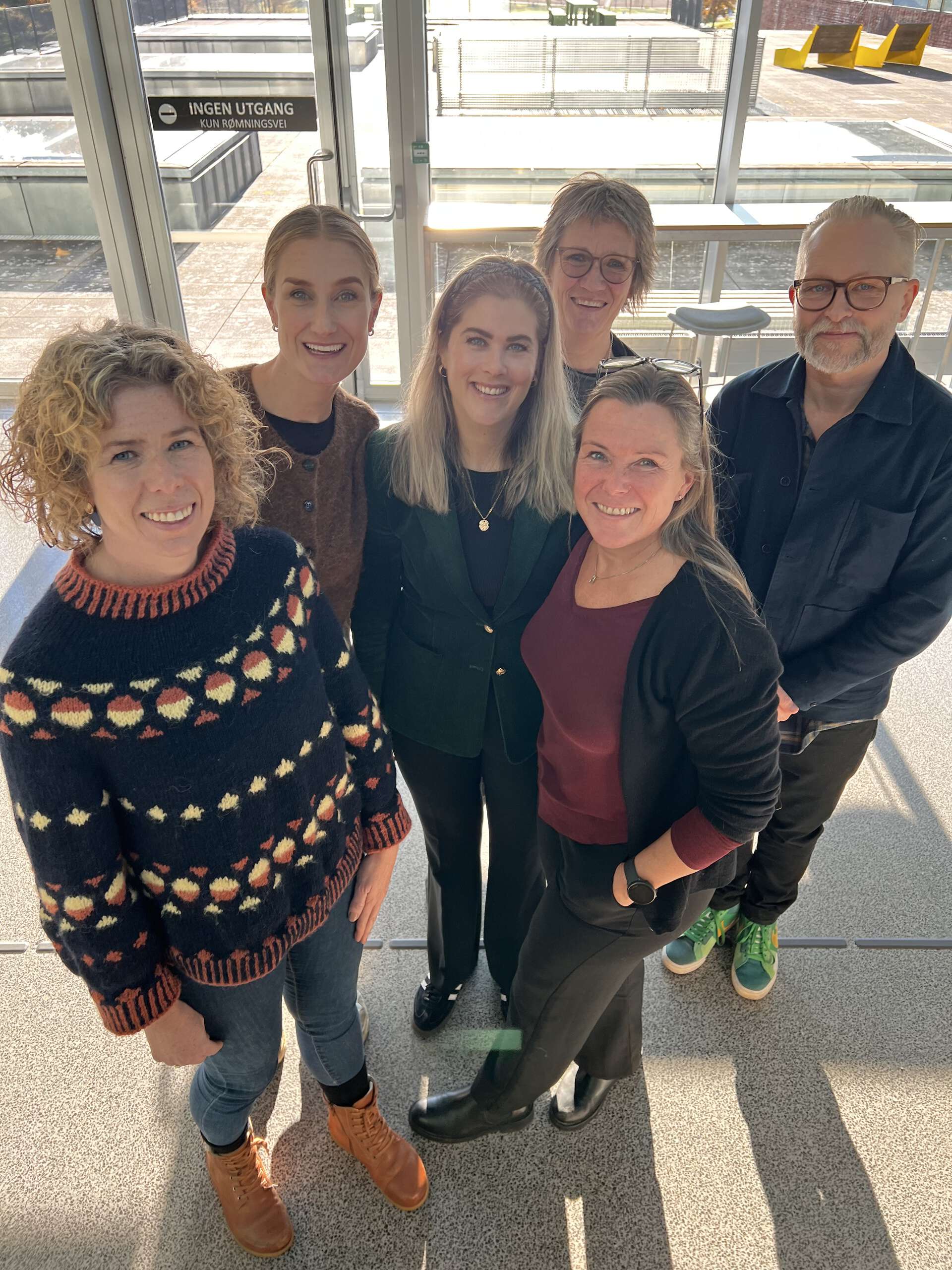
Academic Coordinator:
Eva Martinsen Dyrnes, e-mail: eva.m.dyrnes@hiof.no
Academic Environment and Expertise
The academic environment consists of dedicated staff with broad experience in research and teaching. We are actively involved in development projects and competence enhancement, with a strong focus on coherence between campus-based teaching and real-world practice.
Our Core Competencies:
Mentoring and professional learning communities, interdisciplinary didactics, vocational pedagogy and didactics, social and academic learning in context, learning environments and school climate, assessment, mental health and life mastery, diversity, racism, and inclusive practices, individually adapted education, formation and critical pedagogy, practical, student-active teaching.
Research
The academic staff is affiliated with the research group Humanities and Practice, which promotes humanistic perspectives in teacher education.
Current Research Topics:
• Diversity and inclusive practices
• Alternative learning arenas
• Practical learning and learning outside the classroom
• Social and academic learning in context
• Vocational education
• Sustainable education
• Critical whiteness pedagogy and subtle racism
Collaboration and Relevance
We work closely with municipalities, county authorities, and schools through practice and development initiatives. The academic environment is actively engaged in competence development through funding schemes for collective professional development.
Examples of Competence Development:
• Inclusive practices
• Social and academic learning in context
• Mentoring skills and mentor training
• Support systems around students
• Learning and school environments
• Interdisciplinary collaboration
• Professional communities, meeting culture and structure
• Leadership in development work
• Assessment
• ICT tools and didactic development
• Student conversations
• Interdisciplinary topics