Green Energy Innovation
About the Project: Bridging Norway and India for a Sustainable Future
The global transition to renewable energy requires engineers who can think beyond borders and collaborate across cultures. This project unites two leading institutions to create exceptional learning and research opportunities focused on green energy technologies, sustainable systems, and cross continental innovation.
Through student and staff mobility, joint research initiatives, and collaborative curriculum development, we are building a dynamic platform where Norwegian and Indian perspectives converge to address critical energy challenges. Our approach seamlessly blends theoretical knowledge with hands on application, ensuring participants develop real world expertise in renewable energy systems, hydrogen technologies, and sustainable solutions.
Partnership Foundation
Our collaboration combines the strengths of these institutions to create something greater than the sum of its parts. Leading universities in India bring advanced laboratory facilities and deep expertise in green energy research, while Østfold University of Applied Sciences contributes its renowned project-based learning approach and Green Energy Technology programs. Together, we are creating a powerhouse for green energy education and innovation.
Core Focus Areas
Green Energy Transition Technologies
Exploring the pathways and technologies essential for shifting from fossil fuels to renewable energy sources, preparing students to lead this critical transformation.
Multidisciplinary Engineering Excellence
Bridging electrical, mechanical, and automobile engineering disciplines to develop holistic solutions for complex energy challenges.
Green Hydrogen and Fuel Cell Technologies
Advancing the next generation of clean energy through hydrogen generation, utilization, and fuel cell applications that promise zero emission energy solutions.
AI Driven Energy Optimization
Leveraging artificial intelligence and smart technologies to optimize energy systems, improve grid management, and integrate renewable sources more effectively.
What Makes Us Different
Inclusive Mobility Programs
We prioritize students from lower socio-economic backgrounds and actively encourage female engineering students to participate. Through Erasmus+ mobility grants, we provide comprehensive financial support along with visa assistance, accommodation arrangements, and practical guidance to ensure every participant can focus on learning and growth.
Hands On Innovation
Participants gain direct access to advanced laboratories and research facilities in both Norway and India. From hydrogen generation systems to smart grid technologies, students work with cutting edge equipment and real-world applications.
Industry Connected Learning
Our partnerships with green energy industry leaders ensure that education remains relevant and practical. Students engage with authentic challenges and gain insights into how sustainable energy solutions are implemented across different markets and contexts.
Research Driven Excellence
Faculty and students collaborate on groundbreaking research projects addressing critical questions in renewable energy, energy storage, sustainable mobility, and smart grid management. Our findings contribute to the global knowledge base on green energy transition.
Bi Directional Knowledge Exchange
Through guest lectures, workshops, mentorship programs, and virtual collaboration, knowledge flows continuously between institutions. This creates a rich learning environment where diverse perspectives fuel innovation.
Program Timeline and Activities
This three-years project from August 2025 to July 2028 features a carefully structured schedule of activities designed to maximize impact and engagement. November 2025 marks our launch with a technical event and staff exchange program, setting the foundation for collaboration. January 2026 sees the beginning of student exchanges, bringing the partnership to life through direct participant engagement.
Throughout the program, PhD, Master and Bachelor students participate in joint research projects, while virtual and hybrid education components ensure continuous connection between institutions. Year round activities include workshops, seminars, co-organize conferences, collaborative projects, and knowledge sharing sessions that keep the partnership vibrant and productive.
Performance monitoring and evaluation occur continuously, ensuring we meet our goals and adapt to emerging opportunities.
Long Term Vision
We are building something that will endure long after the initial funding period. Our vision encompasses permanent partnership frameworks that sustain collaboration, enhanced institutional capacity for research and teaching, and connected alumni networks spanning continents.
The economic impact includes green job creation and technology transfer that benefits both regions. Environmental benefits manifest through reduced emissions and improved public health. Social impact emerges through gender equality promotion and community empowerment, creating ripple effects that extend far beyond the classroom.
Opportunities for Participation
For Students:
Participate in semester exchanges, intensive courses, or collaborative research projects. Gain hands on experience with green energy technologies while building international networks and cultural competence.
For Faculty and Staff:
Engage in teaching exchanges, joint research projects, curriculum development initiatives, and professional development activities. Collaborate with international colleagues to advance green energy education and research.
For Industry Partners:
Connect with talented students and researchers, contribute to shaping future energy professionals, and explore collaboration opportunities in green energy innovation and technology development.
Erasmus+ Excellence:
This project operates under the prestigious KA171 Erasmus+ Global programme, ensuring rigorous quality standards and comprehensive support. We maintain transparent financial accountability, structured academic credit recognition protocols, and continuous impact assessment to ensure project effectiveness and compliance with European Union requirements.
Our commitment to Erasmus+ standards guarantees that every aspect of the partnership meets the highest benchmarks for international educational collaboration.
For more information about participation opportunities, application processes, or partnership inquiries, contact the project team at Østfold University of Applied Sciences.
This work is funded through KA171 Erasmus+ Global programme (grant number 2025-1-NO01-KA171-HED-000336765) from the Norwegian Directorate for Higher Education and Skills (HKdir), led by Dr. Palanichamy Manikandan (Østfold University of Applied Sciences, Norway), supporting collaboration between Norway and Taiwan. We gratefully acknowledge the European Union for funding the Erasmus+ Global programme.
Key Information at a Glance
Project Duration: August 2025 to July 2028
Lead Institution: Østfold University of Applied Sciences, Norway
Focus Areas: Green energy technologies, hydrogen and fuel cell systems, sustainable mobility, AI driven energy optimization, international collaboration
Contact: manikandan.palanichamy@hiof.no, rebecca.norvang@hiof.no.
We work towards creating lasting impact in green energy education, research innovation, and international cooperation while addressing global sustainability challenges through Norwegian and European educational support.
Contact us to learn more about participation opportunities and join our RESET international collaboration initiatives.
Completed activities:
RESET Workshop 2025:
Forskere og industri fra tre kontinenter samlet i Fredrikstad for å finne grønne løsninger
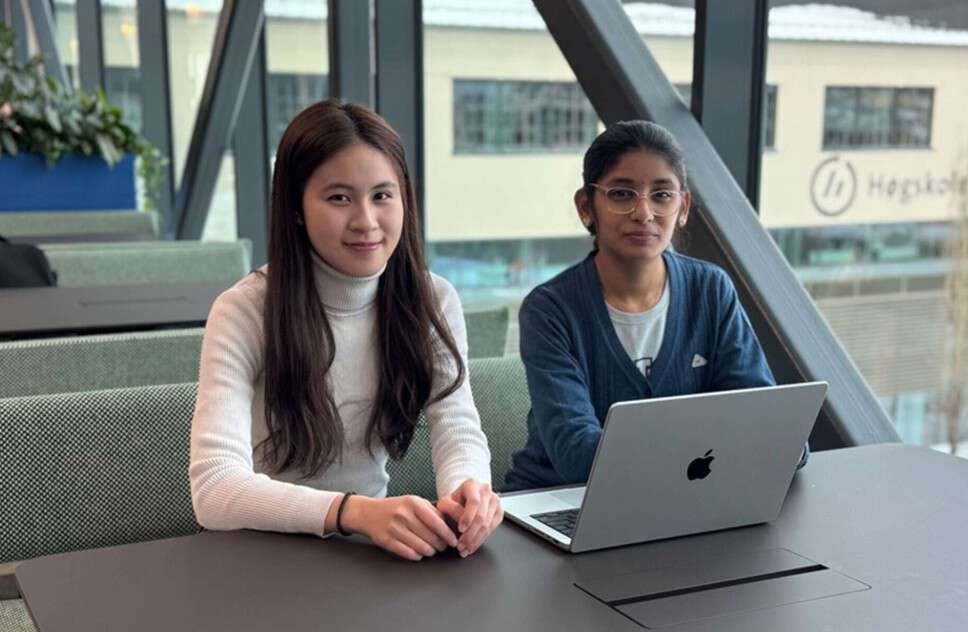
From India and Taiwan to Fredrikstad: International students bring a global perspective to HiØ