Your Safety and Security as a Student
As a student, you should feel safe and secure – whether you are attending classes, spending time on campus, or taking part in social activities. Take care of yourself and your fellow students. Your safety and well-being are important to us.

Through Si ifra, you can safely and easily report unwanted incidents, bullying, harassment, learning environment issues, or physical defects on campus to Østfold University College. All submissions are handled confidentially to ensure a safe study and working environment for everyone.

Sikresiden.no is a web portal tailored for students and staff in higher education, offering quick access to preventive advice and specific action guidelines for unwanted incidents. The site guides you step-by-step through everything from accidents, threats, and digital security to mental health and travel safety, connecting you directly to relevant emergency numbers and local contacts on your campus.
Take a moment to familiarise yourself with the following:
In an emergency where there is an immediate threat to life or health, call the emergency services:
110 – Fire
112 – Police
113 – Ambulance
For 24/7 security assistance on campus, call the university's security and emergency number (Securitas): +47 22 88 14 53.
Be prepared to handle unexpected situations. Learn more:
sikresiden.no – Unexpected incidents at the start of your studies.
Learn about fire safety! Complete:
HiØ's Fire Safety Microlearning Course
If you experience or observe unacceptable behaviour, unsafe or illegal conditions on campus, or a personal data breach, report it through:
If you feel unsafe or need someone to talk to, you can contact:
SiØ Counselling and Health Services
The Student Adviser for your study programme.
You can also read about the safety procedures and regulations at Østfold University College by visiting:
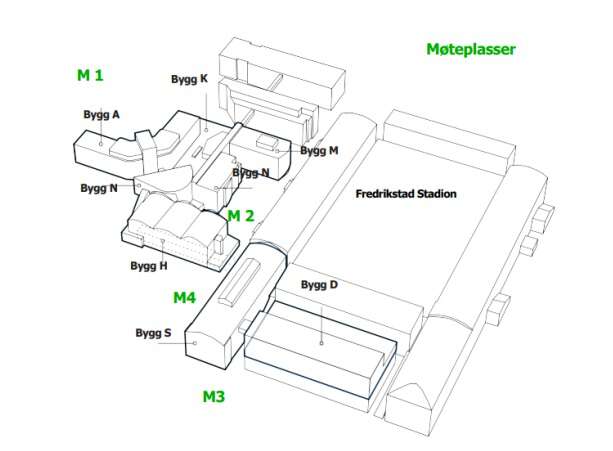
Evacuation Assembly Points: Campus Fredrikstad
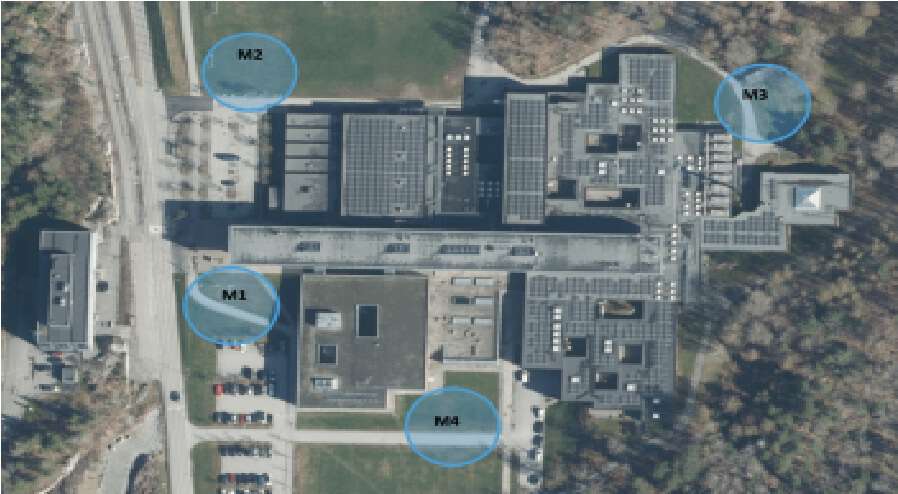
Evacuation Assembly Points: Campus Halden
Emergency Preparedness for Students
Personal Emergency Preparedness Provides Peace of Mind
As a student, you should have a basic level of personal emergency preparedness. This means being able to manage on your own for at least one week if electricity, internet, water, or other essential services become unavailable.
Make sure you have enough food, drinking water, any necessary medications, a flashlight, batteries, and a way to keep your mobile phone charged.
Good personal emergency preparedness gives you peace of mind and helps you cope more effectively with unexpected situations.
Personal Emergency Preparedness for Students
If you live in student housing or a small apartment, being prepared for emergencies doesn't have to take up much space. The most important thing is to be prepared.
Keep a few bottles of water, some long-lasting food, a flashlight, a fully charged power bank, and any necessary medications readily available.
Personal emergency preparedness isn't about being ready for every possible situation—it's about being better equipped to cope when something unexpected happens
Fire Safety, Security, and Campus Regulations
Familiarise yourself with the safety procedures where you study and live. Know the evacuation routes, assembly points, and what to do in the event of a fire or other emergency.
Be sure to follow the applicable safety rules for laboratories, workshops, student housing, and campus facilities.
By understanding and following these procedures, you help create a safer learning environment for everyone.
Building Your Support Network
Starting university is an exciting experience, but it can also be challenging—especially if you are new to the area or studying in a new country. Building a support network is an important part of feeling safe, connected, and settled.
Take the opportunity to get to know your fellow students, participate in social activities, and stay connected with people you trust. Whether it's classmates, friends, mentors, or university staff, having people you can turn to can make a real difference when you need support.
You don't need a large circle of friends—the important thing is to have someone you feel comfortable talking to and asking for help when you need it.