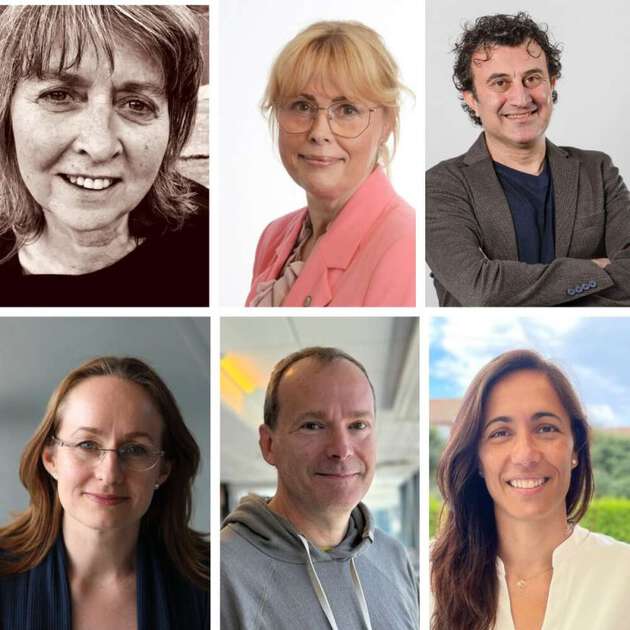
The Innovation Research Group at Østfold University College has been nominated for the HiØ Research Award 2025, alongside five researchers from across the institution. The nomination recognizes excellence in research, originality, relevance, and contribution to building strong research environments.
News
As part of the Norwegian Science Week 2026, Professor Gunnar Andersson conducted a workshop on strategy management with the board and management team of Thermocold AS in Sarpsborg. The workshop explored how an organisation can connect its strategic ambitions more closely to everyday work, learning and improvement.
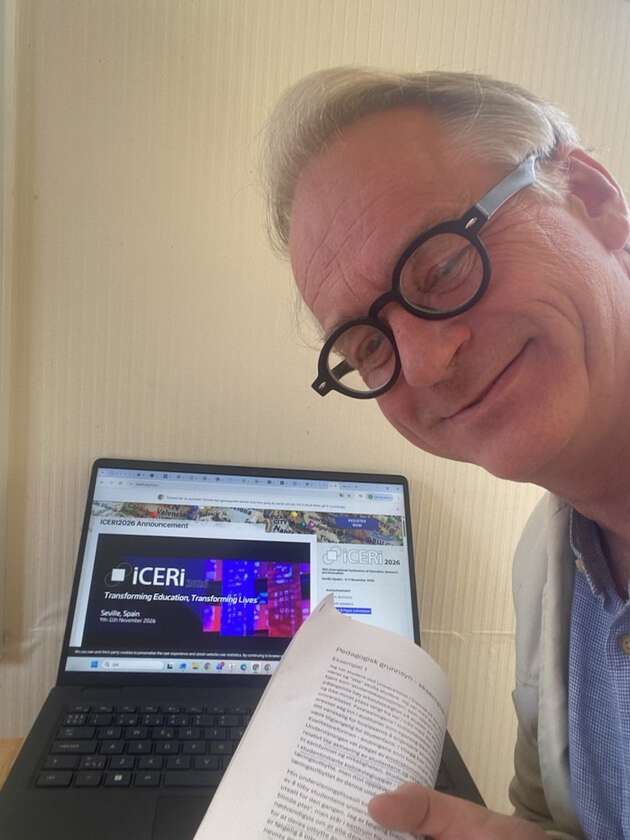
This autumn, the Innovation Research Group (IRG) has made a major contribution to the ICERI Conference through a series of papers on education, research, and innovation. All accepted for presentation in Sevilla in November. Together, we are pushing how to create better learning experiences for students and stronger collaboration with companies and public sector organizations.
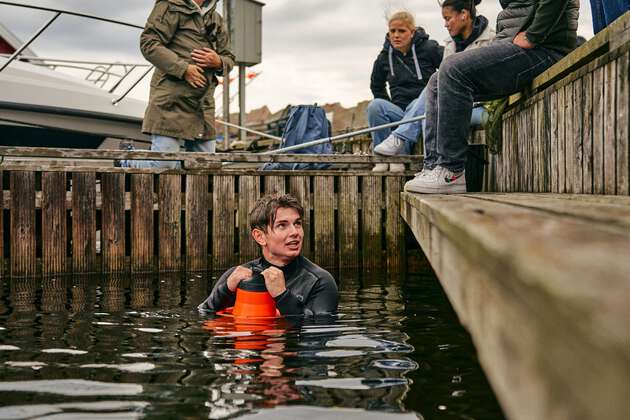
Can research help make the Oslofjord cleaner? Professor Gunnar Andersson discussed this question with pupils in Askim. He used examples from The Pilot project on ghost fishing gear and marine litter. The project brings together research, students, fisheries and local government.
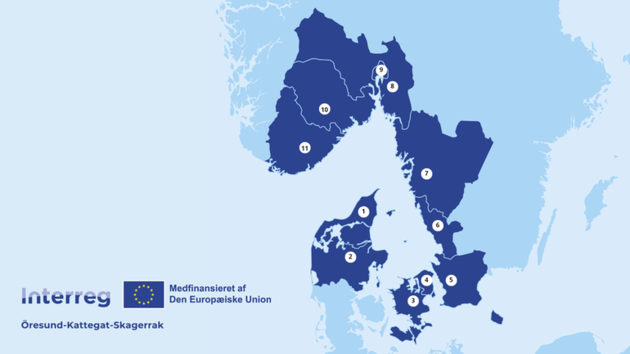
We are pleased to announce that the application for KRAFT has now been submitted to the Interreg ØKS Programme. The project brings together partners to explore how cultural heritage sites can become platforms for innovation, entrepreneurship, sustainable tourism, and place development.
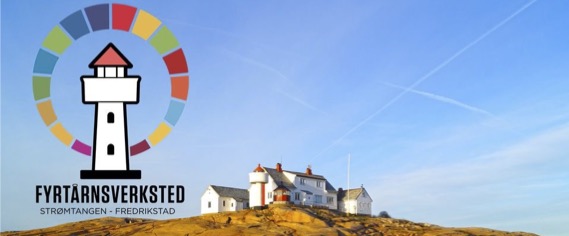
The IRG Symposium 2026 is made possible in cooperation with Hvaler kommune and Testarena Skagerrak, on location at Strømtangen part of The lighthouse workshop for environment, tourism and innovation.
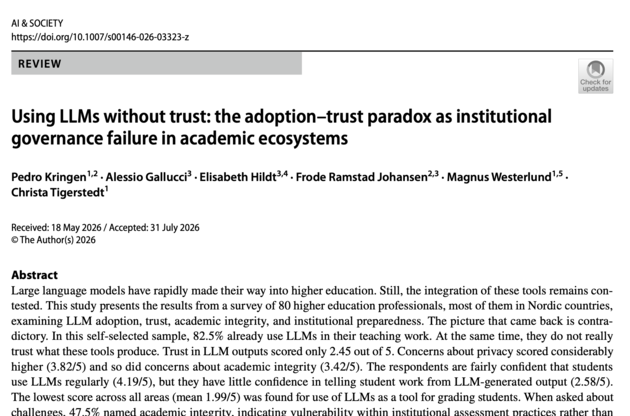
Drawing on a survey of higher education professionals, mostly from Nordic countries, researchers from our Trustworthy AI Lab collaborated on the article "Using LLMs without trust: the adoption–trust paradox as institutional governance failure in academic ecosystems," published in AI & Society.
A new proposal submitted to the Research Council of Norway aims to develop and test approaches for improving collaboration around children and young people at risk of becoming NEET (Not in Education, Employment or Training). CoSim Lab brings together researchers, public-sector partners and practitioners in a broad interdisciplinary collaboration.
Our research group is delighted to congratulate Professor Gunnar Andersson on this well-deserved achievement. His work stands out for its ability to connect innovation, leadership, sustainability, and learning in ways that are both conceptually strong and deeply practice-oriented. Through his research and educational development, Gunnar has shown how complex societal and organizational challenges can become arenas for co-creation, systems thinking, and transformative learning.
Østfold University College and AMU Nordjylland have submitted a joint application to Interreg Öresund-Kattegat-Skagerrak (ÖKS) for the pre-project Circular Transition in Practice. The initiative aims to prepare a larger cross-border project that can help companies turn circular ambitions into concrete action.
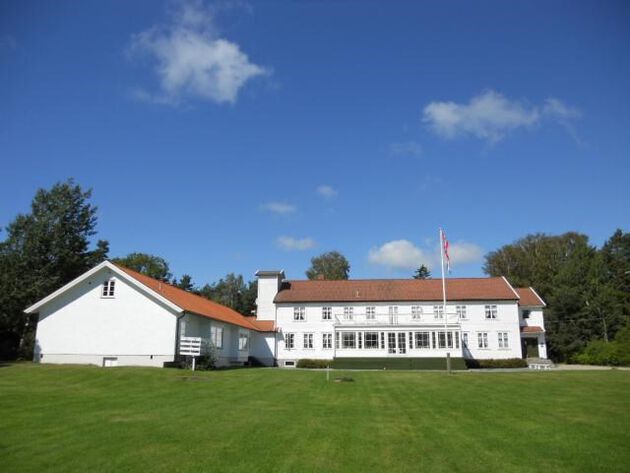
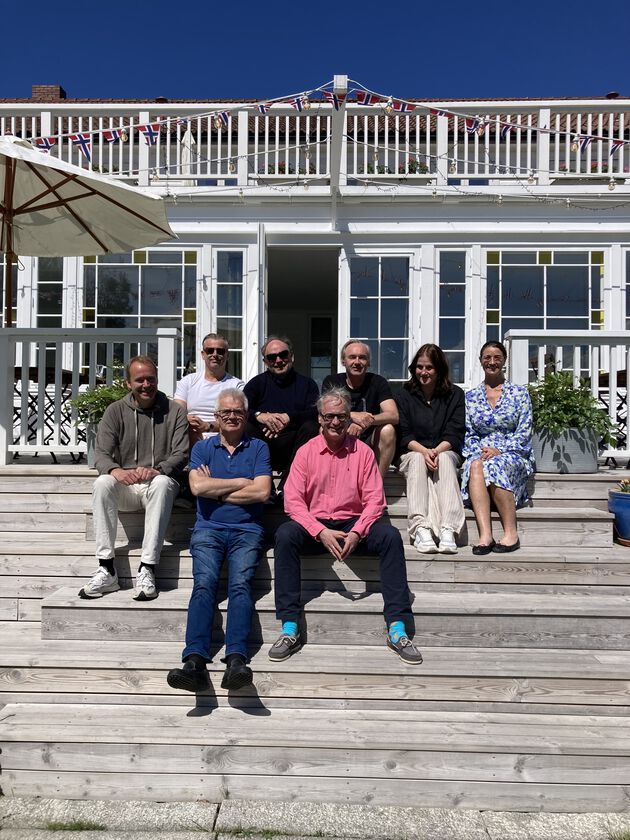
This week, the Innovation Research Group (IRG) met on Hvaler for the 10th IRG Academic Writing Workshop, with a shared focus on developing manuscripts and project outlines connected to the Interreg ØKS Circulær omstilling i praksis project that we are setting up with our Danish friends. Following IRG’s established workshop format, the program combined short plenary sessions with longer, uninterrupted writing blocks, and a dedicated slot for presentation and discussion of manuscripts and project sketches.
As part of the research group's mission, we made the joint project Creative Learning: A Practice-Oriented Bachelor’s Thesis.
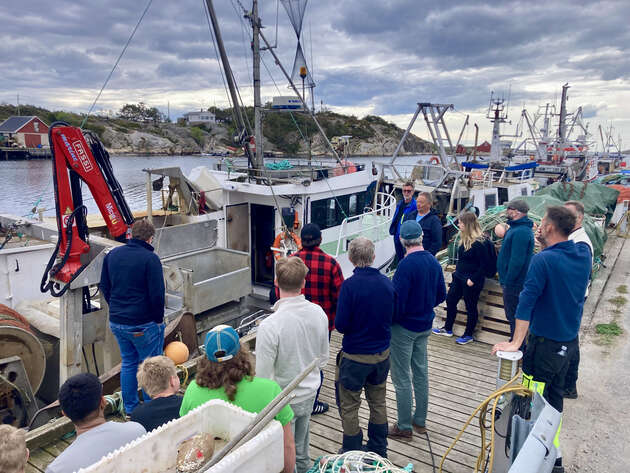
On 13 May 2026, the Pilot for Clean‑Up of Marine Litter in Oslofjorden officially started with a hands-on workshop in Utgårdskilen, Hvaler. The kick-off gathered 42 participants representing a broad stakeholder landscape—from conservation authorities and public management to fishers, academia, and pupils—to explore practical methods and technical setups for finding, retrieving and handling ghost gear and marine litter.
The project “Pilot for Clean‑Up of Marine Litter in Oslofjorden” has been awarded NOK 5,274,500 in funding from the Norwegian Environment Agency (Miljødirektoratet). The project is part of the national initiative to improve the environmental condition of the Oslo Fjord and represents another major research and development project involving students and partners connected to the Innovation Research Group at Østfold University College.
Østfold University College (HiØ) joins the pre-project Scope 3 Obeya as a research partner, led by researchers Gunnar Andersson and Frode Ramstad Johansen together with students from Innovation and Project Management (IPL). The team will quality-assure methodology and research design, conduct interviews and workshops, and translate findings into a system map and a tested course prototype—linking research directly to companies.
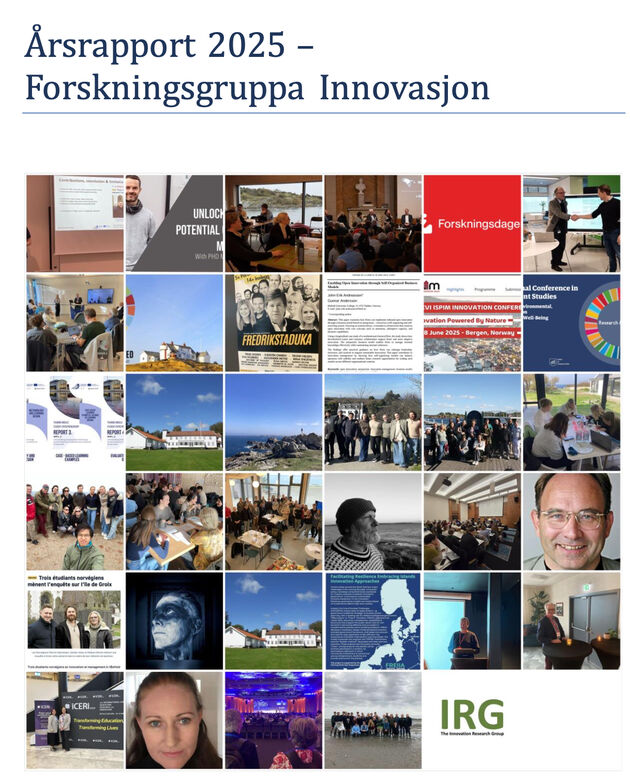
The Innovation Research Group (IRG) had a highly active year in 2025, marked by interdisciplinary fieldwork, capacity building, and increased research dissemination. Through Interreg FREIIA and several conference contributions, the group advanced knowledge on sustainable, place‑based innovation. The year concluded with strengthened internal collaboration, new project initiatives, and a professorship promotion within the team. Happy reading!
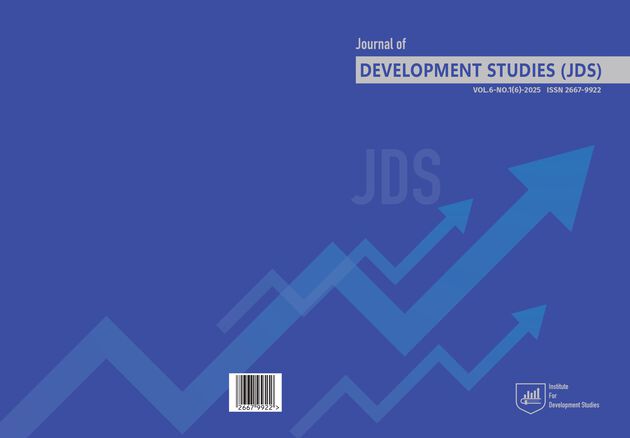
Drawing on insights from the Interreg FREIIA project our researchers published the article Fostering Resilience and Innovation in Island Communities – Identifying Systemic Challenges and Opportunities in THE JOURNAL OF DEVELOPMENT STUDIES Vol. 6 No. 1 (2025).
Authors Gunnar Andersson, Bjørn Gitle Hauge, Frode Ramstad Johansen, Eivind Andre Leister, Per Valter, Matthew Patrick James Lynch, Hong Wu. DOI: https://doi.org/10.63410/jds2025/04
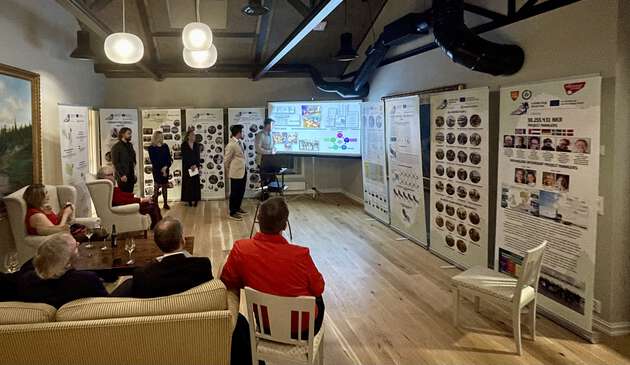
Poster presentations at the Interreg FREIIA project wrap-up seminar at Hafslund hovedgaard 18. December 2025.
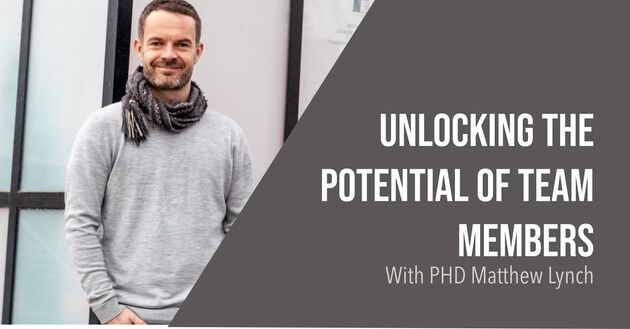
Our research group is delighted to congratulate Professor Matthew Lynch on this well-deserved achievement. His pioneering work in fostering an entrepreneurial mindset and emphasizing entrepreneurship as a practice has made a significant impact both in academia and beyond. Through his dedication, Matthew has demonstrated how theory and practice can be combined to create real value and shape the innovators of tomorrow.
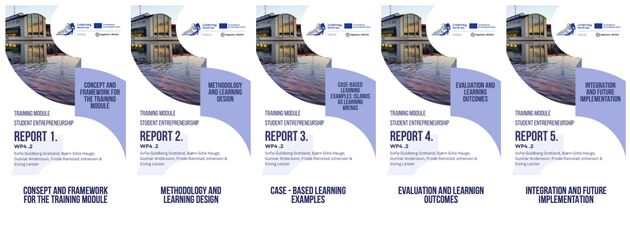
Work Package 4 (WP4) of the FREIIA project aims to empower student-driven sustainable entrepreneurship across European island communities. Through fieldwork, interviews, co-creation workshops, and AI-supported qualitative analysis, students collaborate with local stakeholders to identify challenges, explore opportunities, and co-develop solutions that contribute to sustainability transitions.