This occasion offers a valuable opportunity to gain insights and practical guidance for your research, learn more about the library’s services, and meet the library’s research support teams.
Halden: Tuesday 13th of January
Fredrikstad: Thursday 15th of January
Please register here by January 6th: https://nettskjema.no/a/575076
Program highlights
10.30–11.00 Publication support
11.00–11.30 Open science
11.30–12.00 Lunch
12.00–12.30 Systematic literature searches
12.30–13.00 Zotero and EndNote
13.00–13.30 Bibliometrics
13.30-14.00 AI tools as support in the research process
Full program
10.30–11.00 Publication support (Kent André Iversen Crantz)
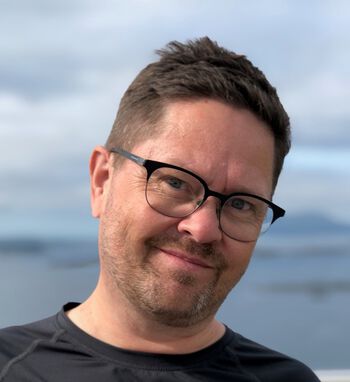
In this session, participants are introduced to the publication support services offered by the library. The presentation explains the institutional publication landscape, including introduction to Kanalregisteret, levels, open access requirements, and routines for depositing publications in the institutional repository or NVA. Participants are taken through a concrete publication workflow from finished manuscript to accepted version and archiving, with emphasis on rights clearance and handling of different versions.
11.00–11.30 Open science (Kristian Sandbekk Norsted)

In this part of the program, participants are given an overview of open science and how it affects their own research practice. The session briefly defines central elements such as open access to publications and open research data, and includes a short introduction to DataverseNO. The presenter describes how requirements from funders and institutions, as well as initiatives like Plan S and national strategies, shape expectations for openness. Participants are also invited to reflect on what is easy and what is challenging to make open in their own disciplines, and what kind of support they need to succeed.
11.30–12.00 Lunch
Lunch will be served, please indicate any allergies when you register. During lunch, participants have the opportunity for informal networking and to continue conversations that have arisen in the morning sessions.
12.00–12.30 Systematic literature searches (Kjell Erik Johnsen)
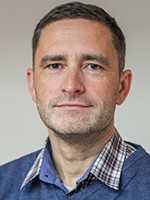
After lunch, the program turns to systematic literature searches. Participants are introduced to the difference between quick, ad hoc searching and a structured, systematic approach that is needed for, for example, systematic reviews, scoping reviews, mapping studies or larger research projects. The session briefly goes through the main steps in a structured search: clarifying the research question, identifying concepts and synonyms, selecting relevant databases, combining search terms with Boolean operators, and documenting searches so they can be reported and reproduced.
12.30–13.00 Zotero and EndNote (Ketil Modh Isaksen and Anne-Lise Eng)
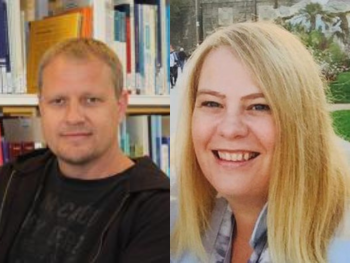
This session gives an introduction to reference management with Zotero and EndNote. Participants first get an explanation of what a reference management tool is and how such tools can help collect, organize, cite, and share references in research projects. The presenter briefly compares Zotero and EndNote with regard to platform compatibility, collaboration possibilities and integration with Word. A live demonstration shows how to import a small selection of references from a database or publisher’s website, organize them in libraries, and insert citations and automatic reference lists in a document. The session provides an introduction to the new feature Research Assistant, which automatically generates summaries from PDF files, translates documents, and answers questions about their content.
13.00–13.30 Bibliometrics (Heidi Synnøve Bjerkholt Bodal)
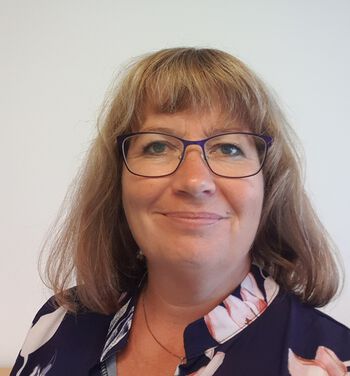
In the bibliometrics session, participants are introduced to central bibliometric concepts and indicators and to the tools that are available at the institution. The presenter explains what publication counts, citation counts, h‑index and journal indicators can say about research activity and visibility, and what their limitations are. Principles for responsible use of metrics are outlined so that participants understand why indicators must always be interpreted in context and not be used mechanically. The session includes simple examples of how bibliometric information can be used in applications for funding, promotion cases, project reporting and strategic analyses, and demonstrates one or two relevant tools such as NVA, Scopus or OpenAlex.
13.30–14.00 AI tools as support in the research process (Kent André Iversen Crantz and Kjell Erik Johnsen)
The final session focuses on how generative AI tools can support different parts of the research process. The session points to institutional guidelines for responsible AI use and provide practical recommendations that participants can apply in their own projects.